Tips for Fire Prevention
Simple strategies to keep kitchens safe and secure.
Protecting Kitchens, Staff, and Customers
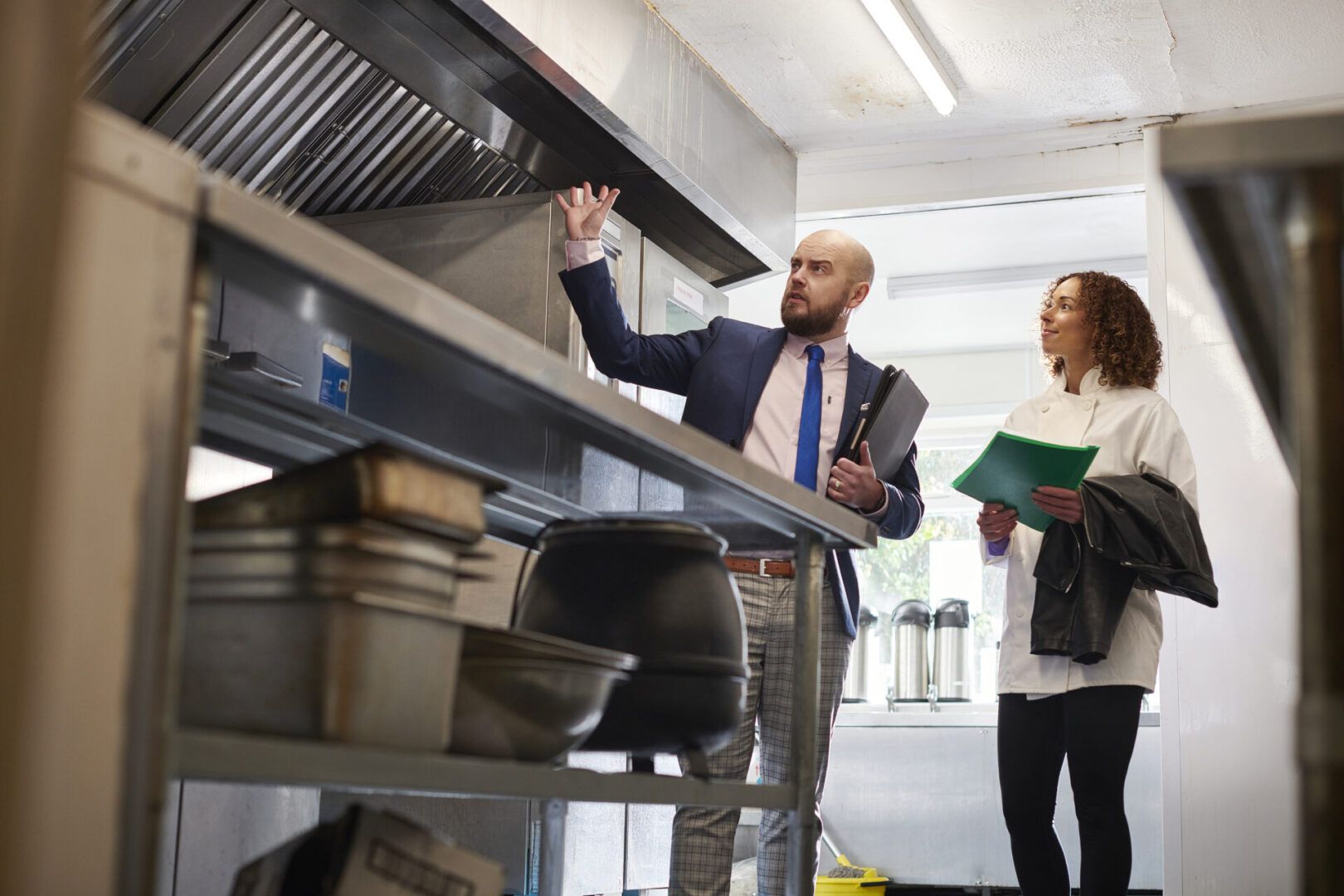
Fire prevention is a critical responsibility in every restaurant. Commercial kitchens operate under constant heat, open flames, and grease-producing equipment. A proactive fire prevention plan reduces risk, protects lives, and keeps operations running without interruption.
These practical tips help create a safer kitchen environment.
Keep Exhaust Systems Clean
Grease buildup in hoods, ducts, and exhaust fans is a leading cause of restaurant fires. Regular professional exhaust cleaning removes combustible residue and supports fire code compliance.
Follow NFPA 96 Cleaning Schedules
Adhering to NFPA 96 standards ensures exhaust systems are cleaned at the proper frequency. Compliance helps prevent violations, fines, and forced closures while maintaining a safer workspace.
Train Staff on Fire Safety
Well-trained staff respond faster and make safer decisions. Training should include:
Clear procedures reduce panic and improve outcomes.

Maintain Cooking Equipment
Faulty or dirty equipment increases fire risk. Regular inspections and maintenance help prevent overheating, electrical issues, and grease leaks.
Never Ignore Small Grease Spills
Grease spreads fast and ignites easily. Immediate cleanup reduces slip hazards and fire risk in high-traffic kitchen areas.
Ensure Fire Suppression Systems Work
Fire suppression systems must be inspected and serviced on schedule. A fully functional system provides critical protection when fires start.
Keep Flammable Items Away from Heat
Cleaning supplies, packaging, and paper products should be stored away from cooking equipment. Proper storage reduces ignition risk.
Schedule Routine Safety Inspections
Routine inspections help identify risks before they become serious problems. This includes checking wiring, gas connections, and ventilation components.
Build a Culture of Fire Prevention
Fire safety works best when it is part of daily operations. Consistent habits, proper training, and routine maintenance create a safer kitchen and stronger business.
Need Professional Fire Prevention Support?
Reduce risk and stay compliant with expert kitchen exhaust cleaning and safety services.